- Baby Carriers
- Baby Wrap Slings
- Accessories
- Babywearing Advisor
- Professionals
- About DIDYMOS
- % Sale

DIDYMOS Tutorial: How to Tie a Baby Wrap – Instructions for Your DIDYMOS Baby Wrap
Your DIDYMOS baby wrap has arrived – and now you’d like to know how to tie it correctly?
Don’t worry: With our detailed baby wrap tutorials, you’ll learn step by step which carrying methods are available for babies and which ones suit you and your child best. We show you tried-and-tested wrapping techniques for newborns, babies, and bigger little ones – clearly explained and organized by age and carrying position.
Especially in the beginning, tying the wrap may feel unfamiliar. That’s completely normal. With a little practice, each carry will become quicker and more secure – until the wrap becomes a natural part of your everyday life.
What you need to start tying your wrap:
• Your DIDYMOS baby wrap
• Optional: a doll or stuffed toy to practice the first tying techniques
Let’s get started!
Carries for Newborns and Babies: Upright Front Positions
For newborns, premature or (small) babies, we recommend a front carrying position which makes sure the baby’s little body is well supported. The front carry allows you to keep your baby in view and to respond early to your child’s needs.

Front Wrap Cross Carry:
A classic carrying method, the Front Wrap Cross Carry has become an all-time favourite. It is best suited for little babies and babywearers with little or no experience.
Front Wrap Cross Carry Variation:
Once you master the FWCC, you may want to try this hop on, hop off variation. The small but important difference: The wrap can be pre-tied before you put your child in.
Kangaroo Carry:
A napping-friendly carry that allows you to easily "pop" baby in and out of the wrap throughout the day. Plus, with airy sides, it is also a great carry for summer babywearing.
Double Cross Carry:
The Double Cross Carry is a great way to stay comfortable while traveling or if you use public transport frequently.
DidyTip
Make sure to position your child at “kissing height”, meaning that your baby’s head is close enough to kiss.Carrying Methods for Babies from 8–10 Weeks Onwards – Tying a Baby Wrap on the Hip
Once your baby has better head control, you may want to try hip carries. Most babies enjoy riding on your hip as it gives them a better view of the world all while they feel safe and protected.

Traditional Hip Carry:
Carrying like the 1970s! The classic hip carry is well suited for super short wraps sized 1 or 2 – convenient and super easy.
Variation of the Hip Carry:
A practical option for a classic hip carry with a long wrap.
Poppin’s Hip Carry:
Sounds like a fantasy film and is at least as exciting: the Poppin’s Hip Carry is a double layer tying method on the hip - ideal for bigger and heavier babies and toddlers.
Hip Cross Carry:
In the Hip Cross Carry the fabric cross is positioned at your hip.
Kangaroo Hip Carry:
Baby is seated in a pouch at your side and can be popped in and out easily – without untying the knot.
DidyTip
Looking for carries that you can tie with your short wrap? Then the traditional hip carry is a great option for you. Alternatively, you can purchase a couple of sling rings and turn your wrap into a ring sling.
Back Carries – from three months on
New possibilities: Your baby is seated on your back and you have your hands and your front free to get on with what you have to do. From this age on, your baby enjoys being carried on your back. And your back will thank you, too.
Give it a try!
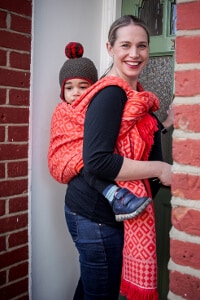
Rucksack Carry:
This simple carry on the back provides extra safety for your little adventurers who enjoy being carried on your back.
Wrap Cross Backcarry:
For extra safety for little adventurers, the Wrap Cross Backcarry is a great choice.
Double Hammock Carry:
A back carry with a horizontal pass across your chest, the Double Hammock Carry offers extra support and comfort for wearing a heavier toddler or for extended carrying hours.
DidyTip
We recommend dressing your child particularly warm when you wear them on your back during the colder season. Regularly check if their little feet are still warm. A DIDYMOS babywearing coat offers warmth for both of you. Or wrap a BabyDos cover around your child for protection against wind and weather.
Do you need additional advice?
In this case, we suggest finding a babywearing consultant or course in your neighbourhood. You’re also welcome to join our DIDY Community on Facebook, where other babywearing fans will be pleased to give advice or show you fancier tying methods.